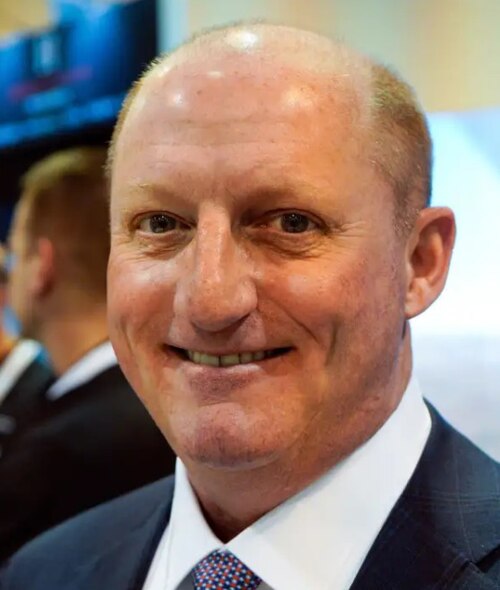
沃伦·巴菲特在伯克希尔·哈撒韦60年投资生涯中的一些最佳和最差投资
https://www.pbs.org/newshour/economy/so ... e-hathaway
作者:Josh Funk,美联社(Associated Press)
2025年5月4日
亿万富翁投资者沃伦·巴菲特(Warren Buffett)周六表示,他希望在今年年底辞去伯克希尔·哈撒韦公司(Berkshire Hathaway)首席执行官一职。这个消息令人意外,因为94岁的巴菲特此前曾表示自己并没有退休的计划。
巴菲特是世界上最富有、最成功的投资者之一。1965年,他接管伯克希尔·哈撒韦公司,当时这还是一家纺织品制造商。他通过寻找那些市场售价低于实际价值的企业和股票进行收购和投资,逐渐把公司发展成为一家大型综合企业集团。
他的成功使他成为华尔街的传奇人物,也为他赢得了“奥马哈先知(Oracle of Omaha)”的绰号。这一称号既指代他的投资能力,也因为奥马哈是他出生、选择生活和工作的内布拉斯加州城市。
以下是他多年来一些最成功和最失败的投资:
巴菲特最成功的投资
National Indemnity 和 National Fire & Marine
巴菲特于1967年收购了这家公司,这是他最早进行的保险业投资之一。
保险公司的“浮存金(insurance float)” - 也就是保险公司在收到保费之后、实际支付理赔之前,可以进行投资的资金 - 多年来为伯克希尔的许多投资提供了资本,并推动了公司的增长。
如今,伯克希尔的保险业务已经包括GEICO、General Reinsurance以及其他多家保险公司。
截至2025年第一季度末,其保险浮存金达到1730亿美元。
大量买入美国运通、可口可乐和美国银行的股票
巴菲特曾在这些公司因为丑闻或市场环境而不受投资者欢迎的时候,大量买入它们的股票。
这些投资合计而言,目前的股票价值已经比巴菲特当初支付的价格高出超过1000亿美元,而且这个数字还没有计算他多年来获得的全部股息。
苹果(Apple)
巴菲特长期以来一直表示,他并不十分了解科技公司,因此难以判断哪些科技公司能够成为长期赢家。
然而,他在2016年开始买入苹果股票。
后来他解释说,他之所以投资苹果,是因为他把这家iPhone制造商看作一家消费品公司,而苹果拥有极其忠诚的客户群。
巴菲特对苹果的投资价值一度增长到超过1740亿美元,之后他才开始出售伯克希尔持有的苹果股票。
比亚迪(BYD)
在已故投资伙伴查理·芒格(Charlie Munger)的建议下,巴菲特于2008年大举押注比亚迪创始人王传福的才能,以2.32亿美元投资这家中国电动汽车制造商。
这笔投资的价值后来一度飙升至超过90亿美元,之后巴菲特开始逐步出售持股。
目前伯克希尔剩余的比亚迪股份仍价值约18亿美元。
See's Candy(喜诗糖果)
巴菲特曾多次指出,他在1972年收购See's Candy是其职业生涯的一个转折点。
巴菲特说,芒格说服他认识到:只要一家企业拥有持久的竞争优势,那么以合理的价格买入优秀企业是有意义的。
在此之前,巴菲特主要投资于各种质量的公司,只要这些公司的股票售价低于他认为的实际价值即可。
伯克希尔当时以2500万美元收购See's Candy。
截至2011年,这家糖果公司已经为伯克希尔贡献了16.5亿美元的税前利润。此后利润还继续增长,只是巴菲特没有经常特别强调这一点。
Berkshire Hathaway Energy
公用事业业务能够为伯克希尔提供大量而稳定的利润来源。
2000年,这家企业集团以21亿美元、约合每股35.05美元的价格,收购了总部位于得梅因(Des Moines)的MidAmerican Energy。
之后,该公用事业部门更名,并进行了多项收购,其中包括PacifiCorp和NV Energy。
2024年,这些公用事业业务为伯克希尔的利润增加了超过37亿美元。
不过,巴菲特表示,由于伯克希尔需要承担与野火(wildfires)相关的责任和潜在损失,这些公用事业资产如今的价值已经低于过去。
巴菲特最失败的投资
Berkshire Hathaway(伯克希尔·哈撒韦纺织业务)
巴菲特曾表示,他对伯克希尔·哈撒韦纺织厂的投资可能是自己有史以来最糟糕的一笔投资。
1965年他接管这家纺织公司后,公司连续多年亏损,最终巴菲特于1985年关闭了纺织业务。
不过,伯克希尔的纺织业务确实曾经为巴菲特早期的一些收购提供了现金。
当然,从另一个角度来看,巴菲特在1962年开始以每股7至8美元买入的伯克希尔股票,如今每股价值已经达到809,350美元。
所以,即使是巴菲特所谓最糟糕的投资,最终结果也还不错。
Dexter Shoe Co.(德克斯特鞋业)
巴菲特曾表示,自己在1993年以4.33亿美元收购Dexter Shoe是一个“可怕的错误”。
更糟糕的是,这笔交易使用的是伯克希尔股票作为支付方式。
巴菲特认为,从本质上说,他为了换取一家毫无价值的企业,白白送出了伯克希尔1.6%的股份。
错过的投资机会
巴菲特表示,多年来自己犯下的一些最大错误,并不是投资失败,而是没有进行某些投资和交易。
如果当初巴菲特愿意更早投资亚马逊(Amazon)、谷歌(Google)或微软(Microsoft),伯克希尔本来很容易赚到数十亿美元。
但他错过的并不只有科技公司。
巴菲特曾告诉股东,当他没能执行一项购买1亿股沃尔玛(Walmart)股票的计划时,自己就像是在“吸吮拇指(sucking his thumb)”,也就是犹豫不决、没有采取行动。
如今,那些股票的价值将接近100亿美元。
银行股卖得太早
在新冠疫情(COVID-19)爆发前不久,巴菲特似乎开始对自己持有的大多数银行股失去信心。
富国银行(Wells Fargo)不断发生丑闻,这给了他开始出售所持有5亿股股票的理由,其中很多股票的出售价格约为每股30美元。
但他同时也卖掉了自己持有的摩根大通(JPMorgan)股票,当时的出售价格低于每股100美元。
此后,这两只股票的价格都已经上涨了一倍以上。
Blue Chip Stamps(蓝筹邮票)
巴菲特和伯克希尔前副董事长查理·芒格于1970年控制Blue Chip Stamps。
当时,这家公司运营的是一种消费者奖励计划,年销售额达到1.26亿美元。
但随着交易邮票逐渐失去零售商和消费者的青睐,公司销售额持续下降。
到了2006年,销售额已经仅剩25,920美元。
不过,巴菲特和芒格利用Blue Chip所产生的浮存金,收购了See's Candy、Wesco Financial和Precision Castparts。
这些企业后来都成为伯克希尔稳定的利润来源。
Some of Warren Buffett's best and worst investments in his 60 years at Berkshire Hathaway
Economy May 4, 2025 3:17 PM EDT
OMAHA, Neb. (AP) — Billionaire investor Warren Buffett said Saturday that he wants to step down as chief executive of Berkshire Hathaway at the end of the year. The revelation came as a surprise because the 94-year-old had previously said he did not plan to retire.
Buffett, one of the world's richest people and most accomplished investors, took control of Berkshire Hathaway in 1965 when it was a textiles manufacturer. He turned the company into a conglomerate by finding other businesses and stocks to buy that were selling for less than they were worth.
His success made him a Wall Street icon. It also earned him the nickname "Oracle of Omaha," a reference to the Nebraska city where Buffett was born and chose to live and work.
Here are some of his best and worst investments over the years:
Buffett's best
National Indemnity and National Fire & Marine: Purchased in 1967, the company was one of Buffett's first insurance investments. Insurance float — the premium money insurers can invest between the time when policies are bought and when claims are made — provided the capital for many of Berkshire's investments over the years and helped fuel the company's growth. Berkshire's insurance division has grown to include Geico, General Reinsurance and several other insurers. The float totaled $173 billion at the end of the first quarter.
Buying blocks of stock in American Express, Coca-Cola Co. and Bank of America at times when the companies were out of favor because of scandals or market conditions. Collectively, the shares are worth over $100 billion more than what Buffett paid for them, and that doesn't count all the dividends he has collected over the years.
Apple: Buffett long said that he didn't understand tech companies well enough to value them and pick the long-term winners, but he started buying Apple shares in 2016. He later explained that he bought more than $31 billion worth because he understood the iPhone maker as a consumer products company with extremely loyal customers. The value of his investment grew to more than $174 billion before Buffett started selling Berkshire Hathaway's shares.
BYD: On the advice of his late investing partner Charlie Munger, Buffett bet big on the genius of BYD founder Wang Chanfu in 2008 with a $232 million investment in the Chinese electric vehicle maker. The value of that stake soared to more than $9 billion before Buffett began selling it off. Berkshire's remaining stake is still worth about $1.8 billion.
See's Candy: Buffett repeatedly pointed to his 1972 purchase as a turning point in his career. Buffett said Munger persuaded him that it made sense to buy great businesses at good prices as long as they had enduring competitive advantages. Previously, Buffett had primarily invested in companies of any quality as long as they were selling for less than he thought they were worth. Berkshire paid $25 million for See's and recorded pretax earnings of $1.65 billion from the candy company through 2011. The amount continued to grow but Buffett didn't routinely highlight it.
Berkshire Hathaway Energy: Utilities provide a large and steady stream of profits for Berkshire. The conglomerate paid $2.1 billion, or about $35.05 per share, for Des Moines-based MidAmerican Energy in 2000. The utility unit subsequently was renamed and made several acquisitions, including PacifiCorp and NV Energy. The utilities added more than $3.7 billion to Berkshire's profit in 2024, although Buffett has said they are now worth less than they used to be because of the liability they face related to wildfires.
Buffett's worst
Berkshire Hathaway: Buffett had said his investment in the Berkshire Hathaway textile mills was probably his worst investment ever. The textile company he took over in 1965 bled money for many years before Buffett finally shut it down in 1985, though Berkshire did provide cash for some of Buffett's early acquisitions. Of course, the Berkshire shares Buffett began buying for $7 and $8 a share in 1962 are now worth $809,350 per share, so even Buffett's worst investment turned out OK.
Dexter Shoe Co.: Buffett said he made an awful blunder by buying Dexter in 1993 for $433 million, a mistake made even worse because he used Berkshire stock for the deal. Buffett says he essentially gave away 1.6% of Berkshire for a worthless business.
Missed opportunities. Buffett said that some of his worst mistakes over the years were the investments and deals that he didn't make. Berkshire easily could have made billions if Buffett had been comfortable investing in Amazon, Google or Microsoft early on. But it wasn't just tech companies he missed out on. Buffett told shareholders he was caught "sucking his thumb" when he failed to follow through on a plan to buy 100 million Walmart shares that would be worth nearly $10 billion today.
Selling banks too soon. Not long before the COVID pandemic, Buffett seemed to sour on most of his bank stocks. Repeated scandals involving Wells Fargo gave him a reason to start unloading his 500 million shares, many of them for around $30 per share. But he also sold off his JP Morgan stake at prices less than $100. Both stocks have more than doubled since then.
Blue Chip Stamps: Buffett and Munger, Berkshire's former vice chairman, took control of Blue Chip in 1970 when the customer rewards program was generating $126 million in sales. But as trading stamps fell out of favor with retailers and consumers, sales steadily declined; in 2006, they totaled a mere $25,920. However, Buffett and Munger used the float that Blue Chip generated to acquire See's Candy, Wesco Financial and Precision Castparts, which are all steady contributors to Berkshire.
 现金储备从历史高点回落
 现金储备从历史高点回落
 阿贝尔主导的主要动作
 阿贝尔主导的主要动作
 这意味着什么
 这意味着什么